Discovery Timeline and Initial Response
Excavation Grid Systems and Documentation
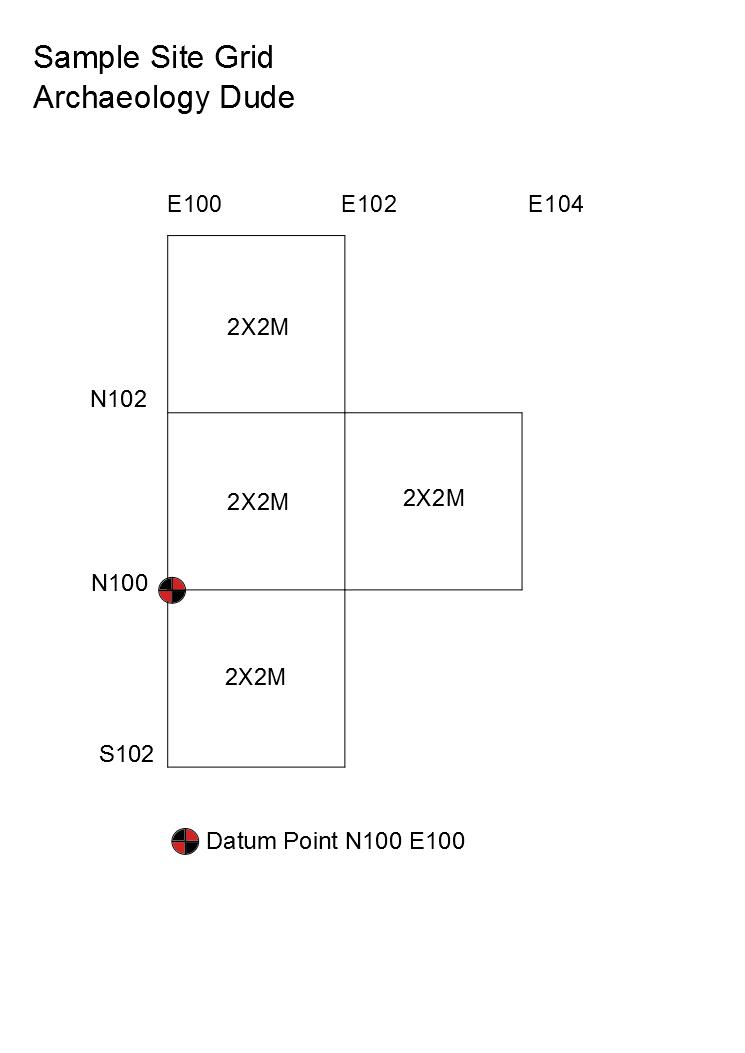
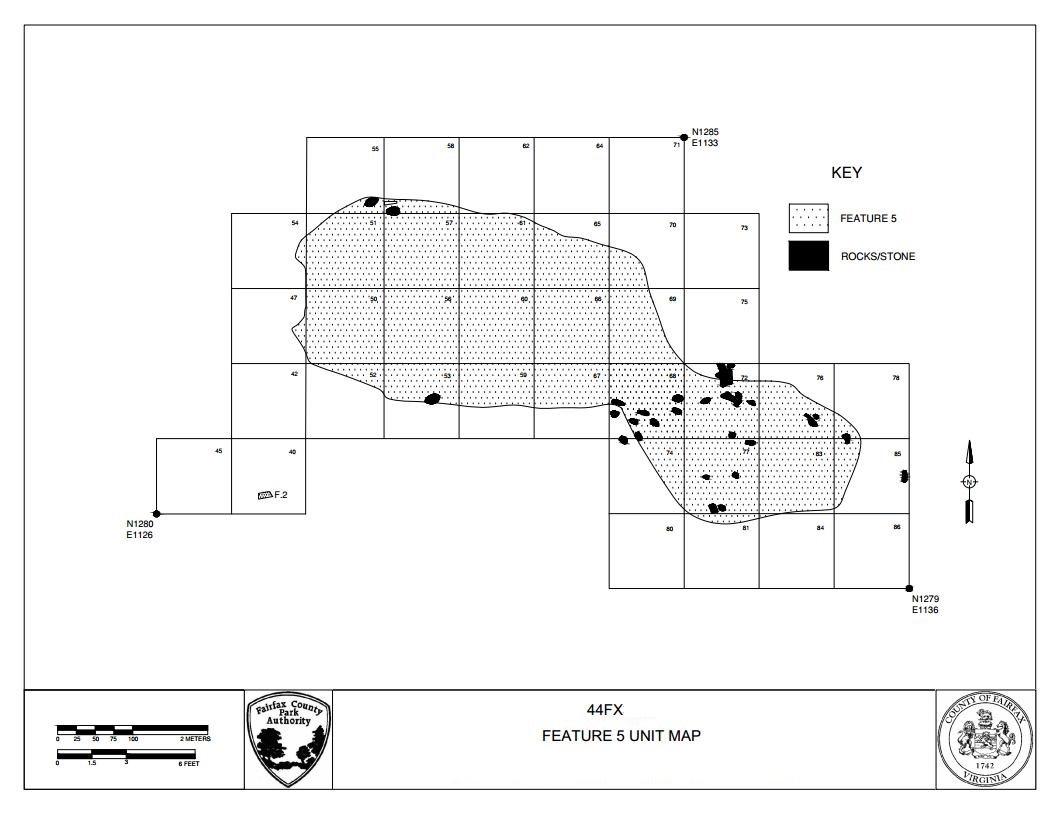
Standard archaeological grid systems were established using metered datum points and precision surveying equipment to ensure accurate spatial documentation of all archaeological materials.
Grid System Design
Two distinct grid systems were implemented to accommodate the different burial contexts:
- Burial 1 Grid: 2.5m × 3.0m grid squares established to encompass the scattered remains across approximately 1m × 2m area
- Burial 2 Grid: 2m × 2m grid squares used for the complete skeleton preservation area
Excavation Procedures
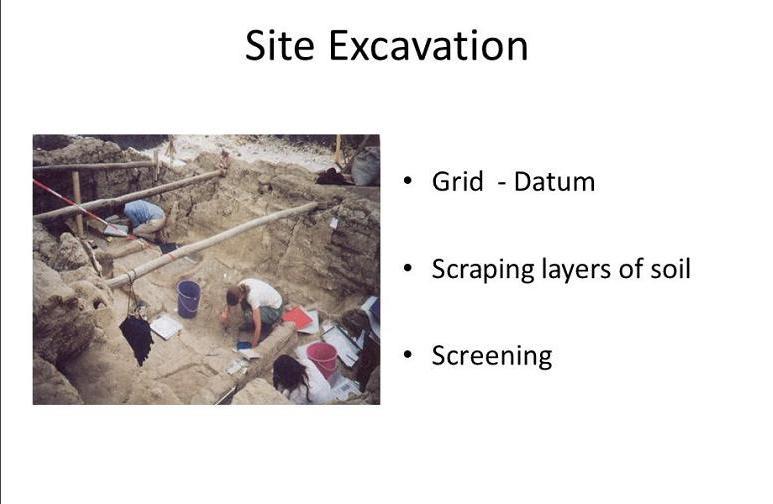
Systematic excavation followed established archaeological protocols:
- Careful hand excavation using archaeological trowels and brushes
- Screening of all excavated sediments through 5mm mesh
- Three-dimensional coordinate recording for all finds
- Photographic documentation with metric scales and north arrows
- Soil sample collection for environmental analysis
- Detailed stratigraphic recording of all deposits
Documentation Standards
Comprehensive documentation included:
- Pre-excavation photography and mapping
- Detailed field notes and daily progress reports
- Stratigraphic profile drawings and measurements
- Artifact cataloguing with provenience data
- Bone preservation assessment and conservation measures
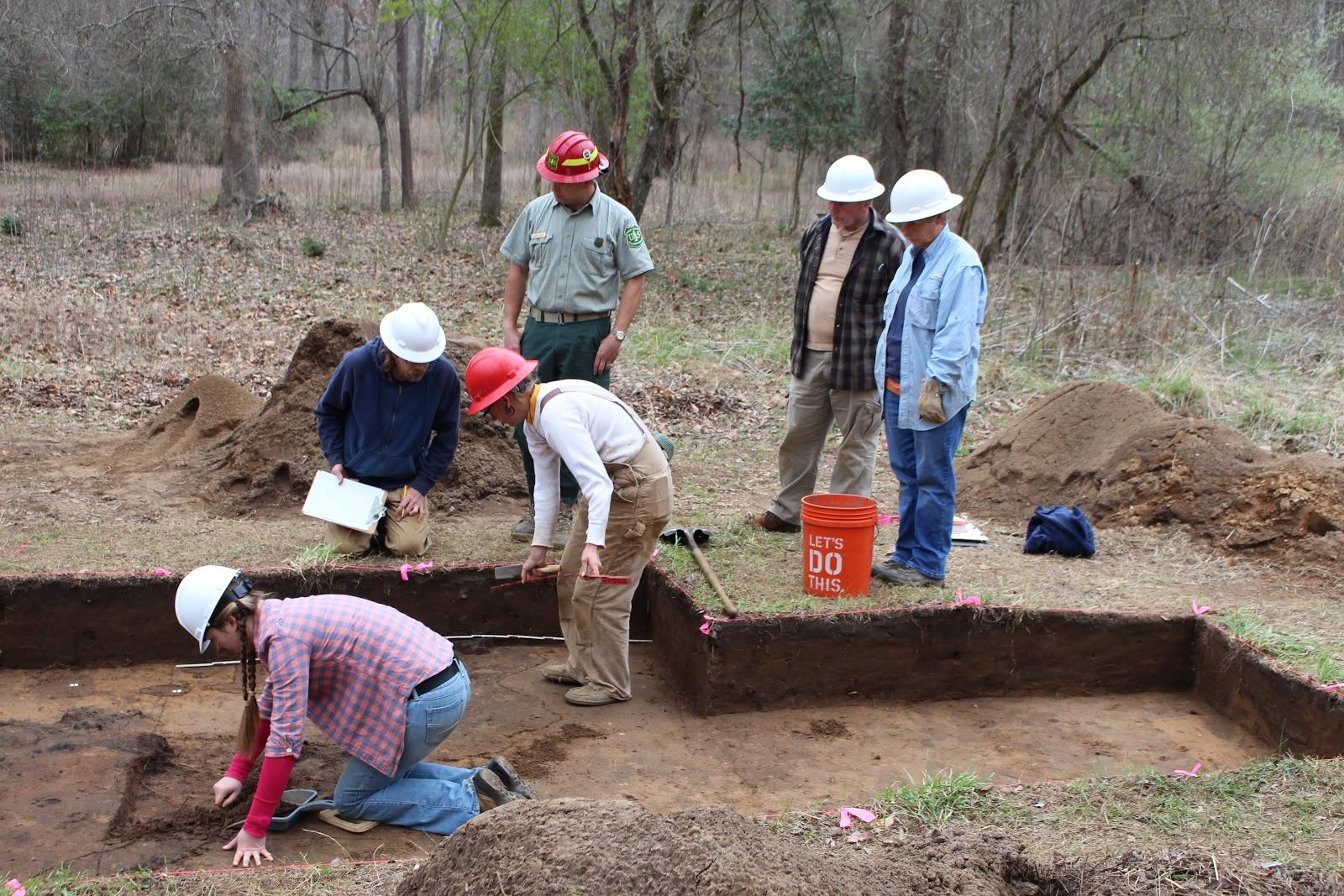
Archaeological excavation demonstrating grid system methodology and field documentation techniques
Methodology Documentation and Field Techniques
The excavation employed established archaeological methods adapted for coastal dune environments and sensitive burial contexts.
Field Equipment and Techniques
Archaeological field work utilized specialized equipment designed for precise excavation and documentation:
- Excavation Tools: Archaeological trowels, hand-held brushes, measuring equipment
- Documentation Equipment: Photographic equipment with metric scales, measuring tapes, compasses
- Recording Materials: Field notebooks, standardized recording forms, graph paper for drawings
- Sampling Equipment: Soil corers, sample containers, pH testing kit
- Protective Materials: Shade structures, plastic sheeting, preservation materials
Stratigraphic Analysis
Detailed stratigraphic recording captured the complex relationships between burial contexts and natural sedimentary layers:
- Identification of distinct sedimentary units and their characteristics
- Recording of interfaces between natural and cultural deposits
- Documentation of post-depositional processes affecting preservation
- Analysis of burial pit construction and fill materials
- Relationship between burials and associated archaeological deposits
Community Collaboration and Consultation
The excavation was conducted in close collaboration with local Aboriginal organizations, ensuring respectful treatment of ancestral remains and cultural sensitivity throughout the investigation.
Thoorgine Educational and Cultural Centre
The Thoorgine Educational and Cultural Centre played a crucial role in providing cultural guidance and ensuring appropriate protocols were followed:
- Regular consultation regarding excavation procedures and cultural sensitivity
- Guidance on appropriate methods for handling ancestral remains
- Input on research priorities and documentation approaches
- Collaborative development of reburial protocols
Cultural Protocols Observed
Throughout the excavation, specific cultural protocols were carefully observed:
- Restricting photography of human remains to essential documentation only
- Ensuring appropriate handling and storage of ancestral materials
- Maintaining confidentiality of specific cultural information
- Planning for appropriate reburial and site restoration
- Regular community updates and consultation throughout the process
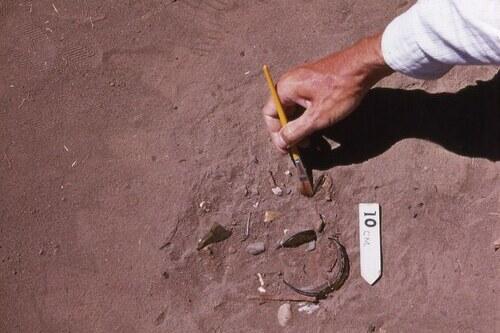
Field excavation demonstrating careful excavation techniques and scale documentation
Conservation and Preservation Methods
Specialized conservation approaches were employed to preserve the archaeological materials during excavation and analysis.
Bone Preservation
Given the coastal environment and age of the materials, bone preservation varied between the two burials:
- Burial 1: Poor preservation with very friable bones requiring immediate stabilization
- Burial 2: Fair preservation with moderate de-calcification allowing for more detailed analysis
Documentation over Intervention
A conservative approach to conservation was adopted:
- Priority placed on photographic and measurement documentation
- Minimal chemical treatment to preserve original material properties
- Focus on recording rather than attempting restoration
- Preparation for eventual reburial with minimal long-term preservation
Field Preservation Measures
Immediate protective measures included:
- Shade structures to protect excavated areas from sun and weather
- Controlled excavation to prevent further deterioration
- Rapid documentation before material degradation
- Careful removal and storage of fragile materials
- Environmental monitoring to optimize preservation conditions
Long-term Considerations
Conservation planning included consideration of:
- Appropriate reburial procedures respecting cultural protocols
- Minimal long-term preservation suitable for ancestral remains
- Documentation for future research and educational purposes
- Site restoration following excavation completion
Methodological Significance and Research Standards
The excavation methods employed at Double Island Point established new standards for respectful and scientifically rigorous investigation of Aboriginal burial sites in coastal Queensland.
Archaeological Methodologies
The investigation demonstrated best practices in archaeological excavation adapted for coastal environments:
- Systematic grid-based excavation ensuring spatial accuracy
- Comprehensive documentation preserving research potential
- Integration of cultural consultation with scientific methodology
- Adaptive techniques for challenging preservation conditions
- Balanced approach between research value and cultural sensitivity
Community Partnership Model
The collaboration with Aboriginal organizations established a template for future research:
- Early and ongoing consultation throughout the research process
- Respect for Traditional Owner authority and cultural protocols
- Collaborative decision-making regarding research approaches
- Appropriate acknowledgment of community contributions
- Commitment to long-term site protection and management
Legacy and Future Research
The methodological standards established at Double Island Point continue to influence:
- Archaeological investigation of burial sites in southeast Queensland
- Community consultation protocols for cultural heritage research
- Conservation approaches for fragile archaeological materials
- Integration of scientific and cultural perspectives in archaeology
- Long-term site management and protection strategies